
You’ve seen them everywhere—on websites, in advertisements, on social media, and even printed in brochures. Stock images have become the go-to visual solution for businesses, designers, bloggers, and marketers. But what is a stock image? Why do so many people rely on them, and what should you know before using one?
This blog unpacks everything about stock images in a clear, engaging, and helpful way—whether you’re planning to license images, use them in a campaign, or even sell your own.
If you’re a content creator of any kind, understanding how stock photography works can help you avoid legal mistakes, save time, and elevate your visual strategy.
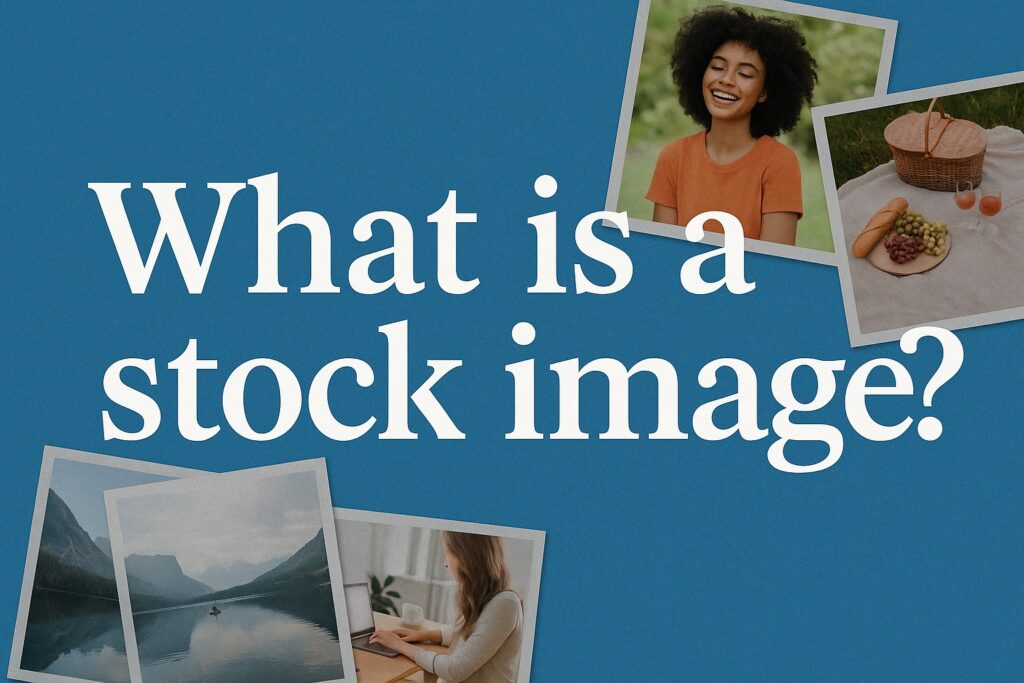
What is a Stock Image?
A stock image is a professional photograph—or sometimes an illustration—that’s made available for others to license and use in their projects. Unlike custom photography, which is commissioned for a single client, stock images are created in advance and stored in large libraries for the public to access.
These libraries, or stock platforms, allow users to search for images by topic, mood, color, or even composition. Once you find an image that meets your needs, you can license it according to the terms provided. Some licenses are incredibly flexible, while others are strict.
There are two standard licensing models you’ll see:
- Royalty-free: You pay a one-time fee and can use the image multiple times in multiple ways, within the limits of the license.
- Rights-managed: You pay based on how, where, and how long you plan to use the image. This model offers exclusivity but can be more expensive.
So, a stock image is a ready-made photo that you can legally use after paying for the rights, or sometimes even for free if the license allows it.
Why Do People Use Stock Images?
Stock images offer one significant advantage: they save time. Whether you’re designing a website, creating a social media campaign, or building a presentation, you don’t always have the resources to hire a photographer and organize a shoot. Stock provides instant access to a vast array of high-quality visuals—ready when you need them.
Common uses include:
- Blog posts and online articles
- Ads and marketing materials
- Email newsletters
- Product packaging mockups
- Background images for websites and apps
- Presentation slides and reports
If you’re running a small business or freelance operation, stock images are invaluable. You can maintain a professional appearance without the overhead of custom design work.
Some creators also use stock images as placeholders during the design process, then replace them with originals later. Others edit or remix stock content to create something more personalized.
Are All Stock Images the Same?
Not at all. There’s a wide range in quality, style, pricing, and licensing.
Let’s break it down:
- Macrostock images are sold with detailed rights-managed licenses. These are typically exclusive, high-resolution photos that cost more and are available for limited use by others.
- Microstock images are more affordable and generally royalty-free. They’re available through high-volume platforms and are commonly used across multiple industries.
- Free stock images are submitted by creators who want to offer visuals to the public at no cost, usually under Creative Commons or similar licenses.
Even within these categories, you’ll find everything from ultra-generic to highly artistic images. One of the biggest concerns for designers is avoiding photos that look staged or unnatural. Think forced smiles, awkward poses, or clichéd scenes (like a businessman pointing at a blank whiteboard).
Fortunately, modern stock platforms are evolving. Many now offer curated collections that focus on diversity, real moments, and authentic storytelling. If you’re willing to spend a bit of time searching, you can find stock photos that look custom-made for your brand.
What Makes a Stock Image Look “Too Stocky”?
Sometimes a stock photo is easy to spot. It might feel overly polished, artificially happy, or too broad to feel specific to any brand. When that happens, it risks damaging trust with your audience.
Some common red flags include:
- Unrealistic lighting or color tones
- Generic settings that lack context
- Expressions that don’t match the situation
- Repetitive use (you’ve seen the same image dozens of times)
To get around this, many creators edit stock photos. That might include adjusting color grading, cropping, blurring the background, or adding text overlays. These simple changes can take a stock image from “meh” to “brand-aligned.”
You can also look for images that are shot in natural light, feature diverse models, and convey a candid rather than a posed feel. These often blend in better with real content and don’t feel like obvious stock.
Can You Use Stock Photos for Anything?
Not quite. Even if an image is labeled as “royalty-free” or “free for commercial use,” there are still boundaries.
Here are a few things to keep in mind:
- You cannot resell a stock image by itself, like printing it on a T-shirt or poster without modification.
- You must avoid using an image in a misleading or offensive context, mainly if it features a recognizable person.
- You may need an extended license if you plan to use the image in a product you intend to sell.
- Some free images still require attribution (i.e., crediting the photographer), so be sure to read the fine print.
Misusing stock images can result in take-down notices or even legal issues. Always double-check the license type before publishing anything.
Stock Photo Licensing and How to Choose the Right Image
Stock images may be easy to access, but using them correctly requires a bit more expertise. You can’t just download a picture and use it any way you want. Each image comes with licensing terms that control how and where it can be used, and misunderstanding them can lead to legal trouble.
In this part, we’ll walk through the different types of stock photo licenses, the fundamental differences between free and paid stock image platforms, and how to choose images that fit your brand or project.
Stock Photo License Types and Costs
When you license a stock image, you’re buying permission to use it in a specific way, not buying the image itself. A license defines this permission, and there are a few main types you’ll see most often.
Royalty-Free License
Despite the name, royalty-free doesn’t mean the image is free. It means you don’t have to pay additional royalties each time you use the image. You pay once and get broad rights, within a specific limit.
Royalty-free licenses are:
- Popular for blogs, websites, social media, and ads
- Usually non-exclusive, meaning others can use the same image
- Flexible, but restricted from resale or use in specific high-risk contexts (like medical claims or sensitive political topics)
You can typically use a royalty-free image in unlimited personal or commercial projects, but not in anything that implies endorsement or affects someone’s reputation.
Rights-Managed License
This type of license is more controlled and often more expensive. You pay based on particular factors:
- Region (where the image will be used)
- Duration (how long you’ll use it)
- Medium (print, digital, billboard, etc.)
- Audience size
Rights-managed licenses are ideal when you want exclusivity. For example, if you’re creating a national campaign and want a unique image no one else is using at the same time, this is your best bet.
However, because the image can’t be reused across different campaigns without repurchasing, it’s less flexible for small projects or recurring use.
Editorial Use License
This type of license allows you to use an image only for journalistic or educational purposes. That means:
- News articles
- Documentaries
- Textbooks
- Blog posts that report on real-world events
You can’t use editorial images in ads or product promotions. They’re often used to showcase real people, places, or events—such as celebrities, landmarks, or brand logos—that wouldn’t be permitted in a commercial license.
Free vs. Paid Stock Image Libraries
You’ve likely come across popular free stock platforms like Unsplash, Pexels, and Pixabay. These sites offer thousands of high-resolution images at no cost, even for commercial use. Sounds perfect, right? It can be, but there are significant trade-offs.
What You Get with Free Stock Images
- No cost to download or use
- Easy access without creating an account
- Often marked for commercial use with minimal restrictions
While these sites are great for quick solutions, free libraries tend to have:
- Less variety in niche topics
- Higher risk of overuse (the exact image popping up everywhere)
- No clear legal protection if the content is misused
If a model release or copyright clearance is missing, and someone challenges your use of the image, free platforms usually offer no legal support.
Why Pay for Stock Images?
When you use paid stock libraries—like Adobe Stock, Shutterstock, or Alamy—you’re paying for quality, coverage, and peace of mind.
Paid stock platforms usually include:
- Large, curated collections with professional-grade content
- Legal guarantees, including indemnification if a claim arises
- Extended licenses for commercial resale or large-scale use
- Advanced search filters to find the right image faster
For businesses and brands, these added benefits often outweigh the cost.
How to Choose a Stock Image That Doesn’t Look Generic
One of the biggest concerns people have about using stock photography is that it might look cheap or overly staged. You’ve probably seen those typical photos of people in suits shaking hands under perfect lighting. They’re fine, but they rarely connect emotionally with viewers.
To avoid using generic stock images, here’s what you should look for:
1. Focus on Authenticity
Choose images that feel natural, not posed. Candid shots—such as people walking outdoors, sharing a laugh, or working in a real setting—create more relatable visuals.
Avoid:
- Over-the-top smiles
- Stiff body language
- Clinical or blank backgrounds (unless intentional)
2. Pay Attention to Diversity and Inclusion
Modern audiences expect brands to reflect the world in which they live. That means choosing images with a range of skin tones, ages, body types, and abilities—not just a narrow, idealized view of people.
Inclusive visuals help you connect with broader audiences and build trust in your messaging.
3. Stay On-Brand
Before you download an image, ask yourself:
- Does this color palette match your style?
- Does the mood of your content reflect its tone?
- Will the image still look fresh six months from now?
Sometimes, the perfect image requires just a few tweaks—a color overlay, a blur, or a text layer—to align with your visual identity.
How to Read Image Licensing Details
Every image comes with its license terms. Before you use it, take a few seconds to look for:
- Commercial use approval: Can it be used in a product or ad?
- Attribution requirements: Do you need to credit the photographer?
- Restrictions: Is it allowed on merchandise, or only in editorial content?
Some platforms offer “extended licenses” for things like:
- Print runs over 500,000
- Selling image-based products (like mugs, shirts, or calendars)
- Using the photo in templates, apps, or digital products
Skipping this step can lead to significant problems later. A design agency, for example, may need to pass along the license terms to a client or purchase a different license if the use changes.
What You Need to Know Before Publishing a Stock Image
Let’s say you’ve found the perfect image. You’ve edited it, placed it into your design, and you’re ready to publish. Before you hit “post” or “print,” ask yourself:
- Is the license type appropriate for my use?
- Have I modified the image in a way that avoids confusion or misrepresentation?
- Is there anything about the image (like a visible brand or person) that could be misinterpreted?
Being cautious here protects your business from legal risks and helps maintain your professional credibility. And if you’re ever unsure, it’s worth reaching out to the stock image platform or reviewing their FAQ section.
How to Sell Your Stock Images and Make Passive Income
If you’ve ever taken a great photo and thought, “Someone might want to use this,” you’re already feeling like a stock photographer. Stock images aren’t just for use—they can also be a source of income if you know how to license them correctly.
In this section, we’ll cover how to get started selling stock photos, what kinds of images tend to sell well, which platforms to consider, and what you should know about earnings, licensing, and long-term success.
Why Sell Stock Photos?
Selling stock images is one of the most accessible ways to monetize photography. You don’t need clients, a fancy studio, or a marketing team. You can upload images to a platform and start earning when people license them.
This works exceptionally well for:
- Photographers with large portfolios
- Graphic designers creating digital assets
- Content creators who shoot regularly
- Artists and illustrators with original work
And the best part? It’s passive income. Once your images are uploaded and approved, they can sell over and over again, sometimes for years.
What Makes a Stock Image Sell?
Not all beautiful photos are good stock images. To sell well, a stock photo needs to be usable, versatile, and relevant to current trends. It has to solve a visual problem for someone else—whether that’s a designer building a landing page or a brand launching an ad campaign.
Here’s what helps images perform well on stock platforms:
1. Clean Composition
Simple, uncluttered images are easier for designers to work with. White space makes it easier to add text or logos. Images with a clear subject, minimal distractions, and a consistent color palette are more likely to be licensed for use.
2. Relatable Concepts
Photos that illustrate emotions, everyday moments, and business ideas sell more frequently. Think teamwork, happiness, family time, remote work, sustainability, wellness, or technology.
Ask yourself: “Could someone use this image to tell a story or sell an idea?”
3. Commercial Relevance
Images that reflect seasonal events (holidays, weddings, back-to-school), global trends (remote work, health, AI), or niche industries (finance, construction, education) are in high demand.
4. Diverse Subjects
Images that represent real people—across different cultures, body types, and age groups—are valued by companies seeking inclusive marketing.
When photographing models, ensure you collect signed model releases. Without one, the image might be restricted to editorial use only.
Best Platforms to Sell Stock Images
Dozens of platforms allow contributors to upload and license their work. Some are better for beginners, while others cater to experienced photographers with curated portfolios.
Shutterstock
- One of the largest and most popular stock marketplaces
- Contributor dashboard with performance analytics
- Earnings start small (a few cents to a few dollars per download) but scale with volume
Adobe Stock
- Strong integration with the Adobe Creative Cloud ecosystem
- Non-exclusive contributor model
- Accepts vector art, illustrations, videos, and photos
Alamy
- Higher payouts compared to many platforms
- Best for high-resolution, rights-managed content
- Slower approval process, more curated selection
iStock by Getty
- Offers both exclusive and non-exclusive contributor options
- Known for higher-quality visuals
- You may need to apply or be invited to contribute
Other options
- Depositphotos, Dreamstime, 123RF, Canva Contributors, EyeEm
- Some newer platforms specialize in mobile photography or editorial content
Each platform has its own submission guidelines, file requirements, and payout structure. You can submit to multiple sites if your license terms permit it, or focus on one that best suits your style.
How Much Can You Earn from Stock Photography?
The reality is: stock photography is not a get-rich-quick system. Earnings vary significantly depending on the quality of your work, the frequency of your uploads, and how well your images meet current market needs.
Common earnings models:
- Microstock platforms: You earn between $0.10 and $10 per download, depending on the platform and your contributor level.
- Exclusive licenses or extended use: These can bring in $50–$500+ per sale on higher-end platforms.
- Editorial or video content: Often earns more per use, but may sell less frequently.
Many contributors report earning between $50 and $200 per month in the early stages. With a large and diverse portfolio and ongoing uploads, it’s possible to scale to over $ 1,000 per month over time.
The most consistent earners treat stock photography as a long-term investment—continually uploading new content, following market trends, and optimizing keywords.
Contributor Tips for Success
If you’re thinking about turning your images into income, here are a few tips to help you start strong:
1. Upload Regularly
Fresh content often gets more exposure on stock platforms. Aim to upload in batches rather than one image at a time. Even small portfolios can start gaining traction if you’re consistent.
2. Use Strong Keywords
Metadata is critical. Think like a buyer: What would someone type into the search bar to find your image?
Include:
- Main subjects (e.g., “woman using laptop,” “mountain landscape”)
- Emotions or concepts (e.g., “freedom,” “teamwork,” “relaxation”)
- Settings or themes (e.g., “home office,” “autumn forest,” “urban skyline”)
Avoid keyword stuffing or using unrelated tags—it hurts discoverability.
3. Follow Platform Guidelines
Each site has its own rules around file size, resolution, quality, and acceptable content. Review the submission guides to reduce rejections and streamline approval.
4. Learn From What Sells
Most platforms let you view performance data. If you notice that your minimalist flat lays or outdoor portraits are performing well, create more of what works.
Pay attention to global events and seasonal needs as well—holidays, back-to-school, and tech innovations all influence search demand.
Can You Use AI-Generated Images as Stock?
The answer depends on the platform.
Some stock sites now accept AI-generated visuals, but they require clear labeling and adherence to ethical standards. If you’re using tools to create imagery (like text-to-image generators), check the license terms carefully and avoid using recognizable faces, brand logos, or copyrighted designs.
AI can be a valuable tool for illustrators and digital artists, but it’s not a substitute for effort. Quality, originality, and market demand still matter.
Common Misunderstandings About Stock Images—and How to Use Them Correctly
Stock images provide quick access to high-quality visuals, but they also come with limitations that many users overlook. Not everything labeled “free” is risk-free. Not every download grants unlimited use. Even paid licenses can include conditions that you must follow closely.
This section clears up some of the most common misunderstandings around stock photography, so you can protect yourself (or your clients) from legal trouble and make smarter decisions every time you use or publish a licensed image.
Can You Use Stock Images in Paid Ads or Commercial Campaigns?
Yes, but only if the license allows it.
Most royalty-free stock images are approved for commercial use, which includes:
- Facebook or Google ads
- Website banners
- Printed flyers and brochures
- Promotional videos
However, you should check for a few things before moving forward:
- Commercial Use Clause: It should explicitly state that commercial use is permitted.
- Restrictions: Some licenses prohibit use in advertising if a person’s likeness is involved, mainly if the ad implies health claims, politics, or financial advice.
- Extended Licensing Needs: High-volume advertising (like nationwide billboards or streaming TV ads) may require extended rights.
When in doubt, get the extended license. It usually costs more but offers peace of mind, especially if you’re planning a campaign with broad exposure.
What Happens If Someone Else Uses the Same Stock Photo?
This is one of the most asked (and misunderstood) concerns.
Here’s the short answer: That’s completely normal—unless you’ve paid for exclusivity.
Most stock image licenses, especially royalty-free ones, are non-exclusive. This means:
- Multiple users can license and use the same image.
- The image may appear in other websites, ads, or campaigns.
- You don’t own the image—you’ve licensed the right to use it.
If brand uniqueness is essential to you or your client, consider:
- Paying for exclusive or rights-managed licenses
- Custom photography for complete control
- Editing and modifying stock photos to create something more distinctive
Are Free Stock Images Ever Legally Risky?
Yes, and here’s why:
Free stock libraries offer incredible value, but they don’t always guarantee the same level of legal protection as paid platforms. Some risks include:
- Missing model or property releases: If a photo features a person or a private space without proper permission, using it in commercial content could lead to legal complaints.
- Unverified copyright: Contributors to free platforms may upload content they don’t own, making you unknowingly liable.
- Ambiguous licensing terms: Not all free sites use consistent language. One platform might allow commercial use freely, while another requires attribution or limits specific applications.
If you’re using free stock photos for anything public-facing or business-related, it’s essential to:
- Stick to reputable platforms with clear license documentation
- Keep screenshots or downloaded copies of the license terms at the time of use
- Avoid using free images for sensitive topics or in resale products without double-checking.
Do You Always Have to Credit the Photographer?
Not always—but sometimes, yes.
Paid Stock Photos (Most Common Case)
For royalty-free and rights-managed photos on major platforms, attribution is usually not required. You’re paying for the right to use the image without needing to credit the photographer.
Free Stock Photos
Attribution requirements vary:
- Some sites (like Pixabay or Pexels) say attribution is appreciated but not required.
- Other platforms (like some Creative Commons licenses) require full credit in a specific format.
Before publishing, check if:
- The license includes “CC BY” (Creative Commons Attribution), which mandates credit.
- There’s a mention of “No attribution required,” which means you’re in the clear.
When credit is required, the safest format is:
Photo by [Photographer’s Name] on [Platform Name]
And never remove watermarks from images. Doing so violates the terms and may be considered copyright infringement.
Can You Edit Stock Photos?
Yes, and it’s encouraged—within the limits of the license.
Most stock photo platforms allow you to:
- Crop or resize
- Change colors or filters
- Add text, graphics, or overlays
- Combine with other visuals
What’s usually not allowed:
- Using the image in a way that misrepresents people or brands
- Editing to place someone in a negative or misleading context
- Claiming the edited image as your own original artwork (especially for resale)
Editing is a smart way to make stock images look more unique and aligned with your brand. Just make sure the edits don’t cross into offensive or deceptive territory, especially when people are involved.
Can You Use Stock Images in YouTube Videos?
In most cases, yes—but with conditions.
If your stock image license includes commercial use, and the platform allows visual content use in multimedia, then you can use those images in:
- Video thumbnails
- Background slides
- Animated intros
- On-screen design elements
Just make sure:
- You have the correct type of license (some sites treat YouTube monetization as commercial)
- You avoid sensitive image topics that could trigger takedown requests
- You don’t imply endorsement by any person shown in the photo
Always keep a record of the image license in case YouTube (or another platform) asks for verification.
Can Stock Images Be Used in Products You Sell?
This depends on the license type.
You can use stock images in:
- Ebook covers
- Presentation decks
- Social media templates
- Print materials (if not for resale)
You may need an extended license to use them in:
- T-shirt designs
- Posters or prints sold online
- Digital products (like website templates or design bundles)
- Commercial packaging or product labels
The general rule is: if the image itself is a main selling point, you’ll need a stronger license.
The Future of Stock Photography – Trends, AI, and Creative Evolution
The stock image industry isn’t standing still. As technology advances and visual tastes change, the way people create, license, and use stock images is rapidly evolving. What once meant browsing through polished studio shots now includes AI-generated visuals, smartphone snapshots, and hyper-authentic moments that reflect real life.
This final section examines the future direction of stock photography. Whether you’re a buyer, a creator, or just someone who uses stock visuals occasionally, these trends will shape how you source and think about images in the years to come.
How AI Is Changing Stock Image Creation
Artificial Intelligence has entered the world of visual media in a big way. AI tools can now generate photorealistic images based on text prompts—no camera, lighting, or model needed. This has major implications for the stock photo industry.
AI-Generated Images on Stock Platforms
Some stock image sites already allow AI-generated content, clearly labeled. Contributors are using tools like DALL·E, Midjourney, and other diffusion models to create:
- Surreal art or concept imagery
- Commercial-style lifestyle photos
- Abstract backgrounds and textures
Buyers love AI content for its uniqueness, especially when they need something outside the norm. However, this raises questions about ethics, copyright, and authenticity.
Are AI Images Legal to Use?
It depends. Most platforms require you to label AI-generated content and ensure it doesn’t include copyrighted elements, recognizable faces, or logos. Some sites remain cautious about accepting AI-generated content until laws and ethical standards are clearer.
As a user, always check the license. As a creator, be transparent about how the image was made.
From Perfection to Authenticity: A Shift in Visual Taste
The days of overly staged, polished images are fading. Audiences now gravitate toward photos that feel real, even if they’re slightly imperfect.
Trends That Are Shaping the Market:
- Diversity and Inclusion: More brands seek images that reflect real people, cultures, and experiences.
- Candid Moments: Photos that appear spontaneous, as if they were captured on a phone, often perform better than posed shots.
- Niche Representation: Instead of broad concepts like “teamwork,” buyers look for specific roles, such as a female engineer working on sustainable technology.
- Lifestyle Over Product: People connect more with stories than objects. Images that show people doing something resonate more than flat product photos.
These shifts are opening the door for smaller contributors and less traditional photographers to find success in the stock market.
Video, Vectors, and Beyond: Expanding Formats
While still images are the core of most libraries, other formats are rapidly growing in demand:
- Stock Videos: Short clips for ads, reels, explainers, and intros.
- Vectors and Illustrations: Used in branding, web design, and infographics.
- 3D Assets: Increasingly common in gaming, AR/VR, and design.
- Animated Stock: Motion graphics and GIFs are now part of most modern visual campaigns.
Contributors who branch out into multiple formats often gain more visibility and income across platforms.
Personal Branding and Direct Licensing
Another trend reshaping the industry is the move toward personalization. Some buyers want images that are exclusive or custom-branded—something no one else can use.
What’s Driving This Shift:
- Overuse of popular images
- Desire for consistency across a brand’s visuals
- Content saturation on social media
In response, some photographers are skipping traditional platforms and selling directly via personal websites or niche marketplaces. Others offer branded stock bundles or subscription-based access to curated collections.
This approach gives creators more control over pricing, use rights, and exposure.
The Role of Stock Photography in a Visual-First Internet
As platforms like Instagram, TikTok, and Pinterest continue to grow, the need for compelling visuals has never been greater. Stock photography is no longer filler content—it’s a key part of how brands communicate, educate, and sell.
Where Stock Photography Fits:
- Quick Turnaround: Fast content production needs fast access to visuals.
- Budget-Friendly Storytelling: Startups and creators can look polished without hiring a professional photographer for custom shoots.
- Design Flexibility: Stock allows teams to test, tweak, and adapt visuals across campaigns.
Whether you’re creating a pitch deck, a video campaign, or an email newsletter, having the right image—ready to go—can make all the difference between a forgettable and a memorable presentation.
A Smarter, More Creative Future of Stock Photograpghy
Stock photography is evolving into something more dynamic, diverse, and creator-friendly than ever before. It’s not just about filling space with generic images anymore. Today’s users want visual content that feels alive, relevant, and emotionally tuned to their audience.
If you’re using stock images, take the time to choose wisely, license them correctly, and customize them where possible.
If you’re selling them, stay on top of trends, diversify your formats, and keep building a portfolio that reflects real life.
In a visual world, your image choice matters more than ever. And stock photography—done right—can be one of your most powerful tools.
FAQs
What’s the difference between stock photography and traditional photography?
Stock photography is created for general licensing to multiple users, while traditional photography is usually commissioned for a specific client or project.
Are AI-generated stock images safe to use?
Only if the license permits it and the platform allows AI content. Be sure the images don’t contain copyrighted materials or identifiable people without release.
Can I sell stock photos taken with a smartphone?
Yes. Many platforms accept high-resolution mobile images as long as they meet technical and content quality standards.
How can I make my stock photos stand out?
Focus on authenticity, diversity, and specific storytelling. Avoid generic poses and create images that solve real content needs.
Do stock photos affect SEO or site performance?
They can be helpful when used in conjunction with proper alt text, file naming, and fast-loading formats. Whenever possible, avoid using the same images as competitors.
Can I use the same stock image on multiple projects?
Yes, with royalty-free licenses. However, if you require exclusivity or intend for wide-scale commercial use, consider extended or rights-managed options.
What happens if I misuse a stock image?
You may face legal takedown notices, copyright claims, or reputational damage. Always check the license terms before using an image.

Leave a Reply